
Examples of Residential and Commercial Buildings
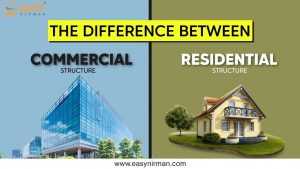
When it comes to architecture and urban development, a diverse range of buildings shapes the landscape of our cities and towns. Two major categories of buildings that dominate our environment are residential and commercial buildings. Let’s explore some examples of each:
Residential Buildings
Residential buildings are designed primarily for housing purposes. They provide shelter, comfort, and privacy for individuals and families. Here are some common types of residential buildings:
1. Single-Family Homes
Single-family homes are standalone structures designed to accommodate one family. They come in various architectural styles, such as Victorian, Colonial, Modern, and more. These homes offer a sense of privacy and independence.
2. Apartments
Apartment buildings consist of multiple units within a single structure. They cater to a diverse range of households and offer varying sizes and layouts, from studios to multi-bedroom apartments. Apartments are often located in urban areas and provide shared amenities like gyms and pools.
3. Condominiums
Similar to apartments, condominiums are individually owned units within a larger building. However, in contrast to apartments, condominium residents often have more control over their living spaces and may customize interiors. Condos can be found in both urban and suburban settings.
4. Townhouses
Townhouses are multi-level units that share walls with neighboring units. They offer a balance between apartment living and single-family homes. Townhouses are often found in urban areas and provide a mix of private living space and shared community areas. For commercial builders in vaucluse read here.
Commercial Buildings
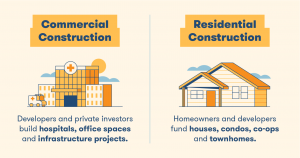
Commercial buildings serve as spaces for business operations, retail activities, and various commercial purposes. These structures are designed to facilitate economic activities and often have distinctive features to attract customers:
1. Office Buildings
Office buildings house businesses, government agencies, and other professional services. They are equipped with amenities like conference rooms, workspaces, and reception areas. Office buildings range from small suburban complexes to towering urban skyscrapers.
2. Retail Centers
Retail centers include shopping malls, strip malls, and standalone stores. These buildings provide spaces for retail businesses to showcase and sell their products. They often feature anchor stores, food courts, and entertainment options to attract shoppers.
3. Hotels and Hospitality
Hotels and hospitality buildings offer accommodations to travelers and visitors. They come in various sizes and styles, from boutique hotels to luxury resorts. These buildings are designed to provide comfort and amenities for guests during their stay.
4. Restaurants and Cafes
Restaurants and cafes are commercial buildings designed for dining experiences. They range from fast-food outlets to high-end restaurants. The architecture and interior design of these buildings often reflect the type of cuisine and ambiance they offer.
5. Industrial Buildings
Industrial buildings house manufacturing, production, and distribution activities. Warehouses, factories, and industrial parks fall under this category. These buildings have functional designs optimized for efficient workflow and storage.
Conclusion
Residential and commercial buildings are integral parts of our urban environment, each serving distinct purposes to meet the diverse needs of communities. From cozy single-family homes to towering office skyscrapers, these buildings contribute to the functionality and aesthetics of the spaces we inhabit.
Whether you’re looking for a place to call home or exploring new business opportunities, understanding the different types of residential and commercial buildings can provide valuable insights into the architectural and urban landscapes around you.