
What Takes the Longest When Building a House?
Building a house is an exciting and complex process that involves careful planning, skilled labor, and coordination of various tasks. From acquiring permits to selecting materials, every step of the construction process requires time and effort. However, some aspects of building a house tend to take longer than others. In this article, we will explore the key factors that can significantly impact the timeline of a house construction project.
1. Planning and Design
Before the actual construction begins, extensive planning and design work is necessary. This stage involves working with architects, engineers, and other professionals to develop the blueprints and specifications for the house. The design process requires careful consideration of the homeowner’s preferences, local building codes, and structural requirements.
Creating a well-thought-out plan and design can take several months, especially for custom-designed homes. This time includes multiple iterations, revisions, and approvals. It is crucial to invest sufficient time in this phase to ensure that the construction process runs smoothly and meets the homeowner’s expectations.
2. Permitting and Approvals
Obtaining the necessary permits and approvals from local authorities is another time-consuming aspect of building a house. Different jurisdictions have specific regulations and requirements that must be met to ensure compliance with safety, zoning, and environmental standards.
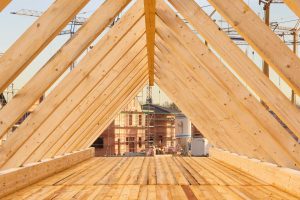
Permitting involves submitting detailed plans, environmental impact assessments, and other documentation for review. The time taken for this process varies widely depending on the complexity of the project and the efficiency of the local permitting authorities. It is essential to factor in this time when planning the construction timeline.
3. Site Preparation and Foundation
Once the necessary permits are obtained, the site preparation and foundation work can begin. This stage involves clearing the land, leveling the site, and excavating for the foundation. The foundation is a critical component that provides stability and support for the entire structure.
The time required for site preparation and foundation work depends on factors such as the size of the lot, soil conditions, and the complexity of the foundation design. It may involve tasks such as soil testing, grading, and installing drainage systems. Proper attention to detail during this phase ensures a solid foundation and sets the stage for the rest of the construction process.
4. Construction of the Superstructure
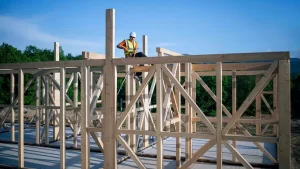
After the foundation is in place, the construction of the superstructure can begin. This phase involves erecting the walls, floors, and roof of the house. The time required for this stage depends on various factors, including the size and complexity of the structure, the availability of skilled labor, and the weather conditions.
The construction of the superstructure involves multiple trades working in coordination, including framers, roofers, electricians, plumbers, and HVAC technicians. Delays can occur if there is a shortage of skilled labor or if inclement weather conditions hamper progress. Proper project management and regular communication among the various trades are essential to keep the construction on schedule.
5. Interior Finishes and Detailing
Once the structural elements of the house are complete, attention turns to the interior finishes and detailing. This phase involves installing insulation, drywall, flooring, cabinetry, fixtures, and other elements that give the house its final look and functionality.
Interior finishes require meticulous attention to detail, which can take considerable time. Custom finishes and intricate designs may require even more time for completion. Delays can also occur if there are changes or modifications requested by the homeowner during this stage, as it may require additional time for sourcing materials or making adjustments.
6. Mechanical, Electrical, and Plumbing (MEP) Systems
The installation of mechanical, electrical, and plumbing (MEP) systems is another crucial phase of house construction. This includes setting up the heating, ventilation, and air conditioning (HVAC) systems, electrical wiring, plumbing lines, and fixtures. Find the new home building process here.
MEP systems require careful coordination and expertise from specialized tradespeople. The complexity and size of the house, as well as the specific requirements of the homeowner, can influence the time needed for this phase. Inspections by relevant authorities may also be necessary to ensure compliance with safety standards, further extending the timeline.
7. Exterior Work and Landscaping
While the interior of the house is being finalized, attention also needs to be given to the exterior. This includes exterior finishes, such as siding, painting, and roofing. Additionally, landscaping and the installation of outdoor amenities, such as driveways, walkways, and gardens, are undertaken during this phase.
The time required for exterior work and landscaping varies depending on the size of the property and the complexity of the design. Factors like weather conditions and the availability of landscaping materials can also impact the timeline. Proper planning and coordination between construction and landscaping teams are essential to ensure a seamless transition between the interior and exterior elements of the house.
8. Inspections and Final Touches
As the construction nears completion, inspections by local building authorities are conducted to ensure that the house meets all safety and quality standards. These inspections may cover various aspects, including structural integrity, electrical and plumbing systems, and adherence to building codes.
After passing the inspections, the final touches are applied to the house. This includes cleaning the construction debris, conducting final walkthroughs to address any remaining issues, and making any necessary adjustments or repairs. It is crucial to allocate sufficient time for these final tasks to ensure that the house is move-in ready and meets the homeowner’s expectations.
Conclusion
Building a house is a complex endeavor that requires careful planning, coordination, and attention to detail. While each stage of construction contributes to the overall timeline, certain factors tend to take longer than others. Planning and design, permitting and approvals, site preparation and foundation work, construction of the superstructure, interior finishes and detailing, MEP systems installation, exterior work and landscaping, as well as inspections and final touches, all play significant roles in determining the duration of a house construction project.
By understanding these time-consuming aspects and allowing ample time for each stage, homeowners and construction professionals can ensure a smooth and efficient construction process. Effective project management, clear communication, and working with experienced contractors and tradespeople can help mitigate delays and keep the construction on schedule. With proper planning and execution, homeowners can look forward to their dream house becoming a reality, built to the highest standards of quality and craftsmanship.